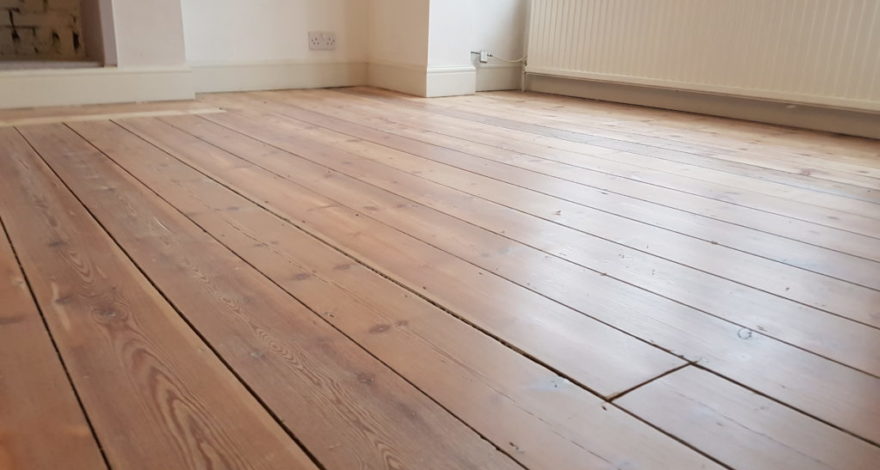
Floor sanding is a fantastic way to revive the beauty of your hardwood floors, giving your home a fresh and polished look. However, one often overlooked aspect of this process is the mess it can leave behind on your walls. Dust and debris from sanding can settle on your walls, leaving them dull and dirty. But fear not; cleaning your walls after floor sanding Melbourne doesn’t have to be daunting task.
In this blog post explore easy and effective methods to ensure your walls are clean and pristine once again.
Understanding the Challenge
Before diving into the cleaning methods, it’s crucial to understand why walls get dirty during floor sanding. Sanding hardwood floors generates fine dust particles that can become airborne and settle on various surfaces, including your walls. This dust can be sticky and challenging to remove without the right approach.
Materials You’ll Need
To tackle the aftermath of floor sanding Melbourne on your walls, gather the following materials:
- Vacuum Cleaner: A vacuum cleaner with a HEPA filter is essential for capturing fine dust particles.
- Microfiber Cloths are excellent for wiping down walls without leaving lint behind.
- Water and Mild Detergent: A warm water and a gentle detergent will help break down sticky dust residue.
- Bucket: For holding your cleaning solution.
- Soft Bristle Brush: A brush with soft bristles can help loosen dust from corners and crevices.
- Drop Cloths or Plastic Sheeting: Use these to protect your furniture and flooring from cleaning runoff.
The Cleaning Process
Follow these easy steps to clean your walls after floor sanding:
Prep the Room
Before cleaning, remove any furniture from the room or cover it with drop cloths or plastic sheeting to prevent dust and cleaning solution from settling on them.
Vacuum Thoroughly
Begin using your vacuum cleaner with a HEPA filter to vacuum the walls carefully and thoroughly. Start from the top and work to capture any loose dust particles.
Dust Removal
Use a soft bristle brush to dislodge dust for hard-to-reach areas and corners gently. Be cautious not to scratch the paint or damage the wall’s surface.
Wipe Down with Detergent Solution
Prepare a mixture of warm water and mild detergent in a bucket. Dip a microfiber cloth into the solution, wring it out, and wipe down the walls in sections. Any detergent residue left over is eliminated in this stage.
Rinse with Clean Water
After wiping down the walls with the detergent solution, use a clean, damp microfiber cloth to rinse the walls thoroughly. Any detergent residue left over is eliminated in this stage.
Dry the Walls
Allow the walls to air dry, or use a clean, dry microfiber cloth to speed up the drying process.
Safety Tips
- When sanding floors, always use proper protective gear, including a dust mask and safety goggles, to avoid inhaling or coming into contact with dust.
- Ensure good ventilation in the room during and after sanding to help reduce dust accumulation.
Cleaning your walls after floor sanding Melbourne is necessary to bring back your home’s charm. By following these easy methods and diligently cleaning, you can achieve spotless walls that complement your beautifully refinished floors.
Trust Total Floor Sanding and Polishing for expert floor restoration. Prioritise safety, choose the right professionals and let us transform your living space. Experience the beauty of impeccably finished floors today with our expert services.