By: TFSP On: January 04, 2023 In: Article Comments: 0

If you’ve ever owned a pet, chances are you’re all too familiar with the problem of persistent odours from urine left on your hardwood floors. Once it has seeped down into the boards and dried, it can be nearly impossible to get rid of without taking drastic measures.

But what if there were an effective way to combat pet odours without replacing or refinishing your wood? Believe it or not, floor sanding Geelong may be just that solution! In this blog post we’ll explain how sanding can help eliminate pet urine smells in hardwood flooring as well as other advantages of regularly maintaining your floors in this manner. Read on for more information!

What is Floor Sanding?

Floor sanding Geelong is a process in which a professional uses special tools and equipment to sand down the top layer of wood and seal in any odours that may be present. This process can be used on both unfinished and finished hardwood floors. When done correctly, it can help eliminate odours that have been caused by pet urine and other sources.

It also helps to restore the original finish that may have dulled over time. While it will remove odours and make surfaces look newer, floor sanding is not an effective way to treat a major problem like pet urine on hardwood floors.

To get rid of persistent or deep set odours associated with pet urine, additional measures such as cleaning with odour-eliminating agents like vinegar or oxidation neutralizers may need to be used.

How Does Floor Sanding Work?

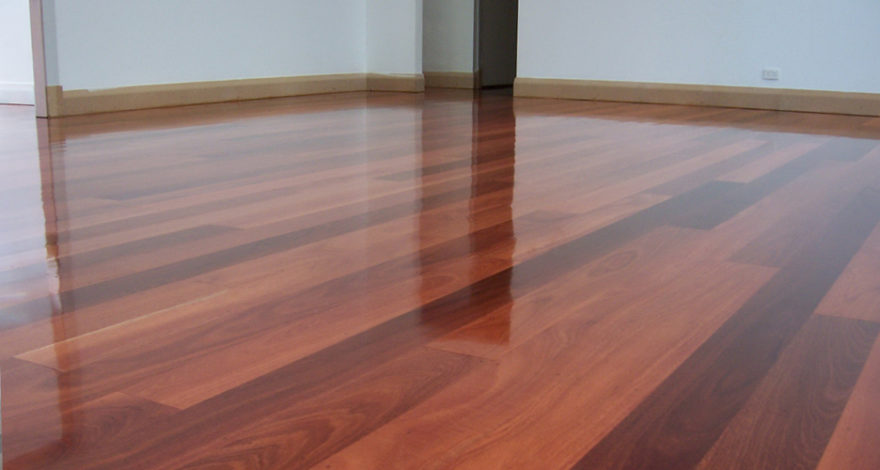
When floor sanding is performed, the top layer of wood is removed using specialized machines and tools. The surface will then be sealed with either polyurethane or varnish to lock in any odours that may still remain after sanding has taken place.

Once the sealant has been applied, the new layer of wood will be polished to create a beautiful finish. This process helps trap the pet urine odour before it has a chance to escape into your home again.
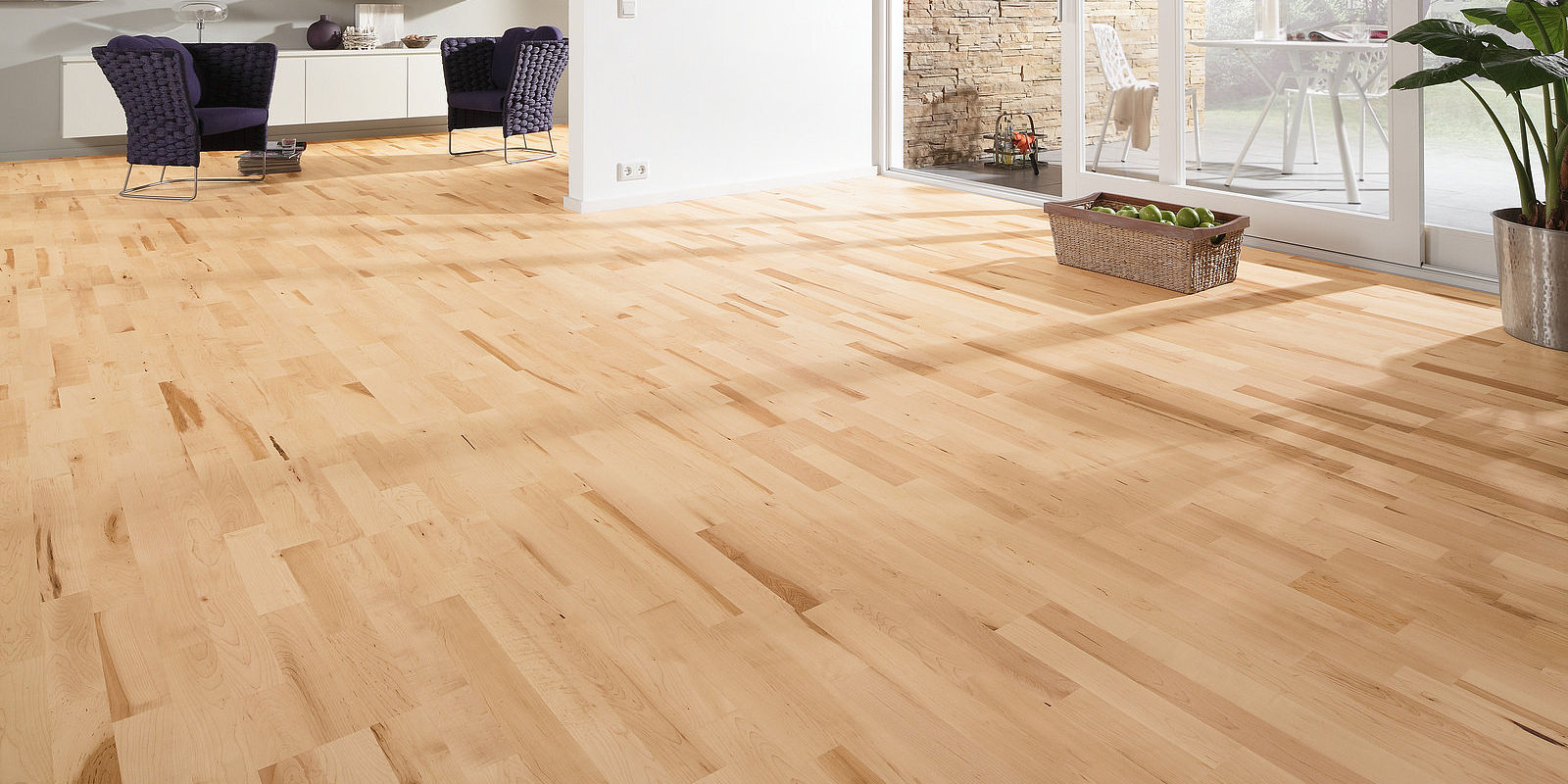
floor sanding geelong

Does Floor Sanding Really Work?

The answer is yes! Floor sanding can effectively eliminate pet urine odours from hardwood floors as long as it is done correctly by a professional who knows what they are doing.

Floor sanding Geelong is becoming an increasingly popular method for those looking to get rid of pet urine odour from their hardwood floors. Sanding, which involves removing a thin layer of the floor to eliminate embedded stains, is often touted as a fast and easy way to freshen up your floors, but does it really work? In order to answer that question, it’s important to consider the nature of pet urine.

Because animal urine is acid-based, it contains enzymes that can quickly break down wood if left untreated. Floor sanding can effectively remove the top layer of wood where most of the build-up residue lies, helping to effectively remove much of the odour caused by pet stains.

While it may not take care of all the smells present, floor sanding can greatly improve air quality and make your home more inviting.

So while there are no guarantees and you should always read up on tips and tricks before starting this process, if you’re looking to get rid of pet urine smell from your hardwood floors then floor sanding could definitely be worth a try!

If you have pets at home and you’re dealing with persistent pet urine smells on your hardwood floors, then floor sanding might just be the solution you need! It’s an effective way to get rid of those unpleasant smells once and for all without having to replace your entire floor or spend too much money in the process. Just make sure that you hire a professional who knows what they’re doing when it comes to floor sanding so that you can get the best results possible!

What Causes Pet Urine Smell in Timber Floors

Pet urine smell in timber floors occurs when liquid seeps into the porous wood fibres and, in severe cases, penetrates through to the subfloor. As urine breaks down, it releases ammonia and bacteria, creating a strong, lingering odour that worsens over time. If not cleaned immediately, the moisture can soak deep into the timber, making the smell difficult to eliminate with basic cleaning methods.

Can Floor Sanding Remove Pet Urine Odour? (Truth Explained)

Floor sanding can help remove pet urine odour by stripping away the top layer of contaminated timber where most of the smell resides. This process is effective for surface-level damage and light staining. However, if the urine has penetrated deeper into the wood or subfloor, sanding alone may not completely eliminate the odour, and additional treatments or sealing may be required for long-term results.

When Sanding Is NOT Enough (Deep Penetration Cases)

Sanding is not always sufficient when pet urine has deeply penetrated the timber or reached the subfloor. In such cases, the smell may persist even after sanding, especially if there are dark stains, repeated pet accidents, or strong ammonia odours. These situations often require more intensive solutions such as enzyme treatments, sealing, or even replacing affected boards to fully remove the odour.

Best Methods to Completely Remove Urine Smell

The most effective way to remove pet urine smell from timber floors is to use a combination of methods. Enzyme-based cleaners break down urine compounds, while professional sanding removes surface contamination. Applying a high-quality sealant helps lock in any remaining odour and prevents it from resurfacing. In severe cases, replacing damaged timber boards may be necessary to achieve a complete and permanent solution.

Professional Floor Sanding vs DIY Solutions

DIY solutions can help manage minor odours using household cleaners or basic sanding tools, but they often fail to address deeper contamination. Professional floor sanding services use advanced equipment and techniques to achieve a more even finish and better odour removal. Experts can also assess the extent of damage and recommend the most effective treatment, ensuring long-lasting results and protecting your investment.

Cost of Fixing Pet Urine Damage in Australia

The cost of fixing pet urine damage in timber floors in Australia varies depending on the severity of the issue, floor size, and required treatment. Minor cases may only require professional cleaning or light sanding, while severe damage involving deep penetration or board replacement can increase costs significantly. Investing in professional restoration is often more cost-effective in the long run, as it prevents further damage and extends the life of your flooring.

Frequently Asked Questions

1. Can floor sanding completely remove pet urine smell?
It can remove surface odours, but deep smells may require additional treatments or board replacement.

2. Why does urine smell stay in hardwood floors?
Urine penetrates deep into wood fibres and subfloor layers, making it difficult to remove completely.

3. Is sanding better than replacing timber floors?
Sanding is cost-effective for minor damage, but severe cases may require replacing affected boards.

4. What is the best way to remove pet urine smell from wood floors?
A combination of enzyme cleaners, sanding, and sealing is often most effective.

5. Can professional floor sanding remove deep urine stains?
It can improve the condition significantly, but not always eliminate deep stains fully.

6. How much does it cost to fix pet urine damage in timber floors?
Costs vary depending on severity, floor size, and whether replacement is needed.

7. Will sealing floors after sanding remove odours?
Yes, sealing helps lock in remaining odours and prevents them from resurfacing.

8. Should I hire a professional for pet urine damage?
Yes, professionals have the equipment and expertise for effective results.