So, you’ve just completed sanding your wood floor, revealing its natural beauty underneath layers of wear and tear. Now comes the crucial step of deciding what to put on it to protect and enhance its appearance. Whether you’re a DIY enthusiast or relying on high-quality floor sanding Geelong services, choosing the right finish is essential for the longevity and aesthetics of your floor.
In this comprehensive guide, we’ll walk you through the options and help you make an informed decision.
- Assess Your Wood
Before applying any finish, it’s important to assess the type of wood you’re working with. Different woods react differently to finishes, so understanding your wood’s characteristics will help you choose the most suitable option.
- Consider Your Preferences
Take your personal preferences into account when selecting a finish. Which look—matt or glossy—is your favourite? Are you aiming for a natural or stained appearance? Knowing what you want will narrow down your options and make the decision-making process easier.
- Types of Finishes
- Polyurethane
Polyurethane is a popular choice for its durability and resistance to scratches and spills. It’s available in oil-based and water-based formulas, each with its own advantages. Water-based polyurethane dries faster and has a lower odour, while oil-based polyurethane offers a richer colour and deeper penetration.
- Oil Finishes
Oil finishes, such as tung oil and linseed oil, penetrate deep into the wood, enhancing its natural beauty and providing a warm, matte finish. These finishes require regular maintenance but offer excellent protection against moisture and stains.
- Wax
Wax finishes provide a soft, lustrous sheen to wood floors and are easy to apply and maintain. However, they offer less protection compared to polyurethane and oil finishes and may require more frequent reapplication.
- Application Techniques
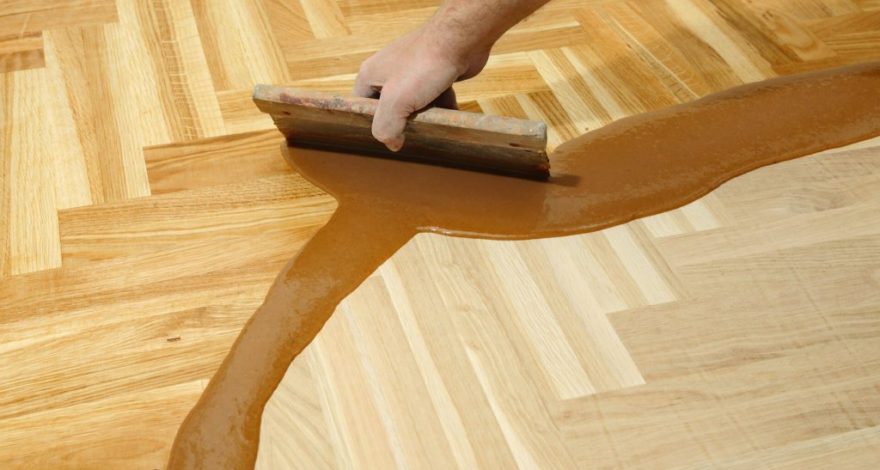
Once you’ve chosen a finish, it’s time to apply it to your wood floor. Ensure that you use the right tools for the work and closely adhere to the manufacturer’s recommendations. Whether you’re brushing, rolling, or spraying the finish, ensure even coverage for a professional-looking result.
- Drying and Curing
After applying the finish, allow sufficient time for drying and curing before walking on the floor or placing furniture. This typically takes a few days, depending on the type of finish and environmental conditions. Avoid rushing this step to prevent damage to the freshly coated surface.
- Maintenance Tips
To keep your newly finished wood floor looking its best, follow these maintenance tips:
- Spills should be cleaned up quickly to avoid discolouration.
- Use furniture pads to protect the floor from scratches.
- Do not drag bulky items across the floor.
- Sweep or vacuum regularly to get rid of dirt and debris.
- Seeking Professional Help
If you’re unsure about the sanding and finishing process or prefer to leave it to the experts, consider hiring high-quality floor sanding Geelong services. Professional floor sanders have the knowledge, experience, and equipment to achieve flawless results, saving you time and effort.
Conclusion
Choosing the right finish for your wood floor after sanding is crucial for both its appearance and durability. By assessing your wood, considering your preferences, and exploring the various finish options, you can make an informed decision that will enhance the beauty of your home for years to come. Whether you opt for polyurethane, oil, or wax or seek professional assistance from Total Floor Sanding and Polishing, a well-finished wood floor is sure to add warmth and elegance to any space.
Ready to transform your wood floors? Contact Total Floor Sanding and Polishing for high-quality floor sanding Geelong services and expert advice on choosing the perfect finish. Enhance your home today!